
 Amazon UK
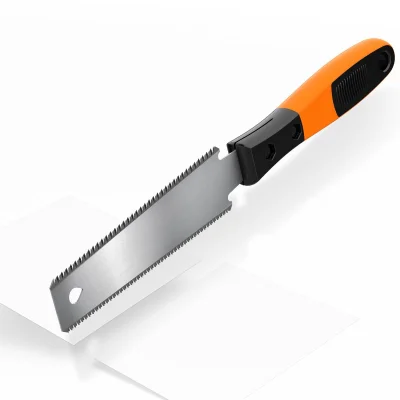
Japanese pull saws sit in the same space as compact Western tenon and dovetail saws, but cut on the pull stroke rather than the push. That tends to give you more control for fine joinery, trim work, and small DIY jobs, especially when you want a clean kerf without forcing the cut. This one keeps things simple with a small, double tooth carbon steel blade and a non slip handle, aimed at occasional users who want a neat finish without hauling out power tools.
Who is this for?
If you’re cutting skirting, dowels, small branches, or making careful cuts in softwood, a pull saw’s thinner blade can feel more accurate. The double sided teeth are useful when you switch between faster rough cuts and finer work, rather than reaching for a second saw.
- Pull stroke cutting: helps reduce wandering and can feel less tiring for controlled cuts.
- Double tooth blade: one edge for quicker cutting, one for a cleaner finish (depends on material).
- Carbon steel blade: typically holds a sharp edge well, but keep it dry to avoid rust.