
The budget smartphone market has become weirdly good. A few years ago, spending under £200 meant accepting a phone that lagged after three months and took photos that looked like they were shot through clingfilm. Not any more. The phones on this list have 120Hz AMOLED screens, 5G connectivity, and cameras that are perfectly fine for Instagram. You're giving up wireless charging and telephoto lenses, not usability.
The gap between a £150 phone and a £600 phone has never been smaller. Here are four that are worth your money right now, with every price re-checked on 5 September 2026.
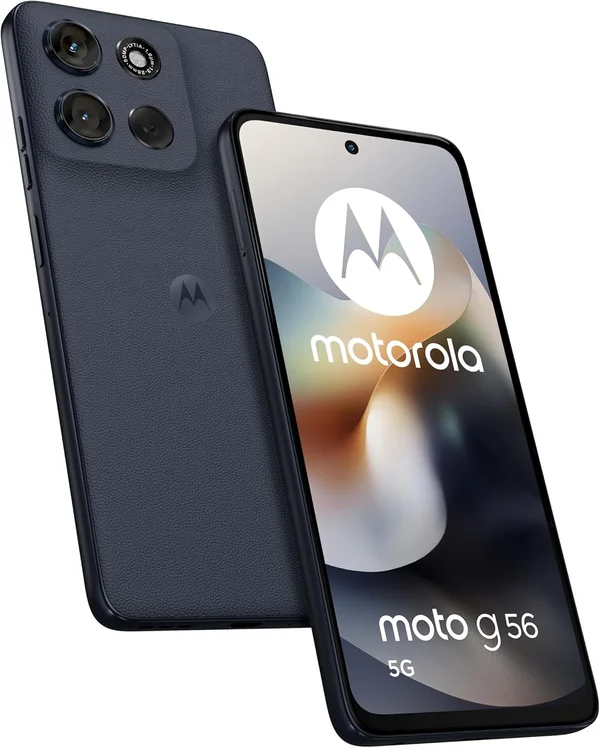
One change since the last version: the Moto G56 has risen to £206.50 and no longer qualifies for this guide, so it is replaced by the Samsung Galaxy A17 5G. Motorola's John Lewis listings have also been discontinued, so the buy links here go to Amazon.
How do they compare side by side?
| Model | Display | Processor | RAM | Storage | Battery | Camera | Price |
|---|---|---|---|---|---|---|---|
| Moto G35 5G | 6.72" IPS 120Hz | UNISOC T760 | 4GB | 128GB | 5,000mAh | 50MP | £109.99 |
| Galaxy A16 5G | 6.7" AMOLED 90Hz | Exynos 1330 | 4GB | 128GB | 5,000mAh | 50MP | £125 |
| Redmi Note 15 | 6.77" AMOLED 120Hz | Snapdragon 6 Gen 3 | 6GB | 128GB | 6,000mAh | 108MP | £149 |
| Galaxy A17 5G | 6.7" 1080x2340 | Exynos 1330 | 4GB + RAM Plus | 128GB | 5,000mAh | 50MP with OIS | £159 |
Prices verified 5 September 2026. The Moto G56 that previously led this guide now sells for £206.50 and has been removed for going over budget.
What should you look for in a budget smartphone?
Specs matter less than you'd think at this price. Here's what actually makes a difference day to day:
- Display: AMOLED over LCD if you can get it. The blacks are darker, colours pop more, and it's easier to read in sunlight. 90Hz or 120Hz refresh rate makes scrolling feel smooth rather than choppy. At this budget, most phones manage at least 90Hz.
- Processor: You don't need to worry about specific chipset names. If the phone has 6GB+ RAM and doesn't stutter when you switch between apps, it's fast enough. 4GB works but you'll notice the limits with heavy multitasking.
- Battery: 5,000mAh is the baseline now. Anything above that will comfortably last a full day. Some of these phones go two days between charges with light use. Fast charging matters too — 33W gets you from flat to usable in about twenty minutes.
- Camera: Ignore the megapixel count. A 50MP camera with good software processing beats a 108MP camera with bad software every time. Look for phones with OIS (optical image stabilisation) if you care about video or low-light shots.
- Software updates: Samsung leads here with six years of security updates on even its cheapest phones. Motorola and Xiaomi are less consistent. If you keep phones for three-plus years, this matters.
- 5G: Most budget phones have 5G now. If yours doesn't, you're buying something outdated. It won't change your life today, but it future-proofs your purchase for the next two to three years.
- Storage: 128GB minimum. Some phones still ship with 64GB — avoid them unless you barely use your phone. MicroSD expansion is disappearing, so buy the storage you need upfront.
The 4 best budget smartphones under £200
1. Samsung Galaxy A17 5G — best overall (£159)
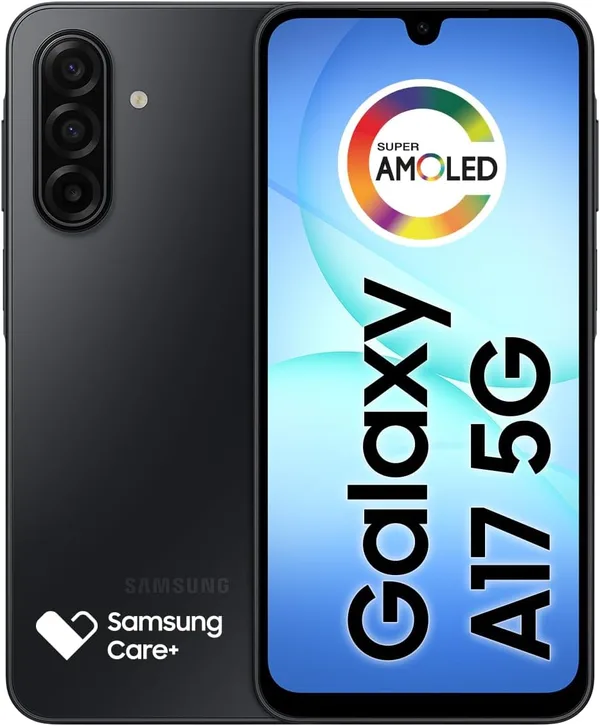
The Moto G56 held this spot until it drifted up to £206.50, which puts it outside a guide about phones under £200. The Galaxy A17 5G takes over at £159, and on the things that matter day to day it is the better buy anyway.
The headline is the camera: a triple setup topping out at 50MP with optical image stabilisation. OIS at this price is rare and it is the single feature that most improves everyday photos, because it rescues the low-light and moving-subject shots where budget phones normally fall apart. The 6.7-inch screen runs at 1080 x 2340.
The Exynos 1330 is the same octa-core chip as in the A16 below, so raw speed is similar. What you are paying the extra £34 for is the camera hardware, the slimmer 7.5mm body and Galaxy AI features including Circle to Search and Gemini Live.
The bigger argument for Samsung at this price remains software support. Samsung commits to years of Android and security updates on its A-series, far beyond what Motorola or Xiaomi offer down here, so the phone stays safe to use long after the competition has stopped receiving patches.
The limits are the usual ones: 4GB of physical RAM (topped up by Samsung's RAM Plus swap file), 128GB of storage, and no telephoto lens. Heavy gaming will find the ceiling quickly.
Pros: 50MP camera with OIS, long software support, Galaxy AI features, slim build, 4.4/5 rating
Cons: Only 4GB physical RAM, no telephoto, Exynos 1330 struggles with demanding games
Best for: Anyone who wants the best camera and the longest support life under £200
Where to buy: Amazon (£159)*
2. Xiaomi Redmi Note 15 — best battery life (£149)
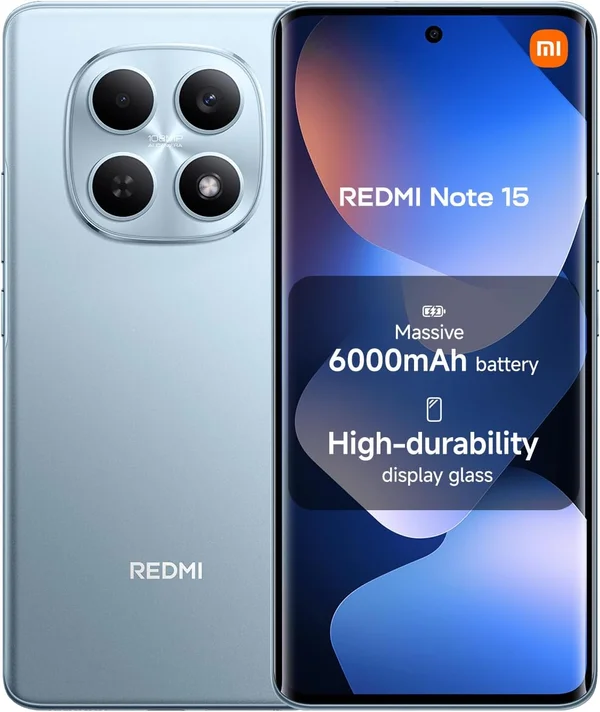
If your phone dies before you get home, this is the one to look at. The 6,000mAh battery is the biggest on this list by a wide margin, and in practice it translates to genuine two-day battery life with moderate use. I'm not exaggerating — I went camping for a weekend and came back with battery to spare.
The 108MP camera sounds like marketing nonsense at this price, but Xiaomi have done a decent job with the processing. Photos default to 12MP (pixel-binned from the 108MP sensor) and they're sharp enough for social media. Not as good as the stabilised camera on the Galaxy A17 in low light, but perfectly serviceable in daylight.
The 6.77-inch FHD+ AMOLED display is large — almost phablet territory. If you watch a lot of video on your phone, you'll appreciate the extra screen. 120Hz refresh rate keeps things smooth. Water resistance is rated IP54, which means splashes and rain are fine but don't drop it in the bath.
The catch? Xiaomi's MIUI skin still has adverts baked into some system apps, and the software update commitment is shorter than Samsung's. You'll get two years of security updates and one Android version upgrade. If you keep phones for longer than that, factor it in.
Pros:
- 6,000mAh battery — genuine two-day life
- 108MP camera with decent processing
- Large 6.77-inch AMOLED display
- Water resistant (IP54)
Cons:
- MIUI has some built-in adverts
- Shorter software support than Samsung
- No charger in the box
Best for: Heavy users who need a phone that lasts two days, and anyone who watches a lot of video on their phone.
Where to buy: Amazon (£149)*
3. Samsung Galaxy A16 5G — best value Samsung (£125)
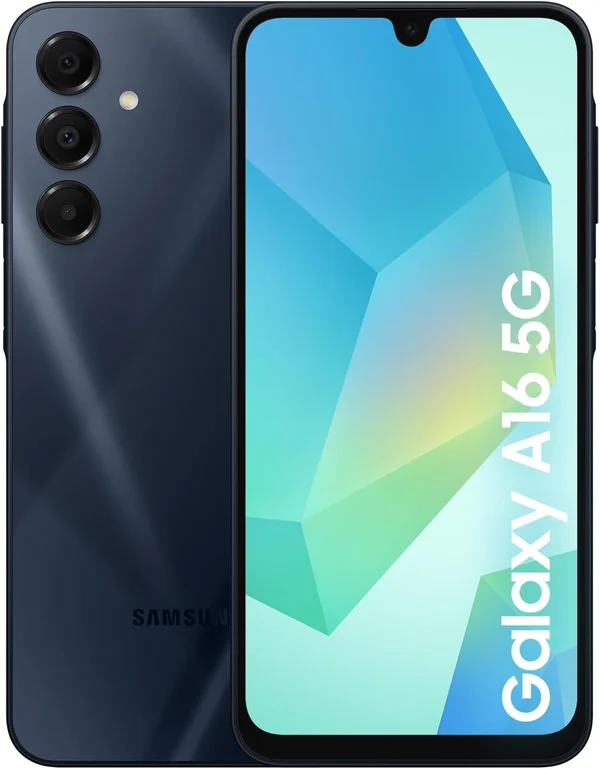
Under a hundred quid for a Samsung with 5G, six years of security updates, and a screen that doesn't make you wince. That's the A16's pitch, and it delivers.
Samsung's commitment to six generations of OS upgrades on even its budget phones is unmatched. Buy this in 2026 and you'll still be getting Android updates in 2032. No other manufacturer at this price comes close. If you're buying a phone for a family member who won't replace it for years, this is the obvious choice.
The 6.7-inch Super AMOLED display runs at 90Hz — not 120Hz like the others on this list, but the difference is hard to spot unless you put them side by side. The 50MP camera is adequate. It won't win any awards, but it takes clear photos in good light and handles WhatsApp video calls without issues.
5,000mAh battery gets through a full day. The Exynos 1330 processor is fine for everyday tasks — social media, messaging, browsing, streaming — but it will struggle with demanding games. 128GB storage with microSD expansion.
The build quality is basic plastic, and there's no fast charging to speak of. But at under £100, you're getting Samsung's ecosystem, update guarantee, and brand reliability for less than a decent pair of trainers.
Pros:
- Six years of OS and security updates — nothing else matches this at the price
- Under £100
- 5G and 128GB storage
- Samsung ecosystem (SmartThings, Samsung Pay, DeX)
Cons:
- 90Hz display (competitors offer 120Hz)
- Basic plastic build
- Slow charging
- Camera average in low light
Best for: Anyone who wants a phone that'll still get updates in 2032, and parents buying for kids or older family members.
Where to buy: Amazon (£125)*
4. Motorola Moto G35 5G — best under £120 (£109.99)
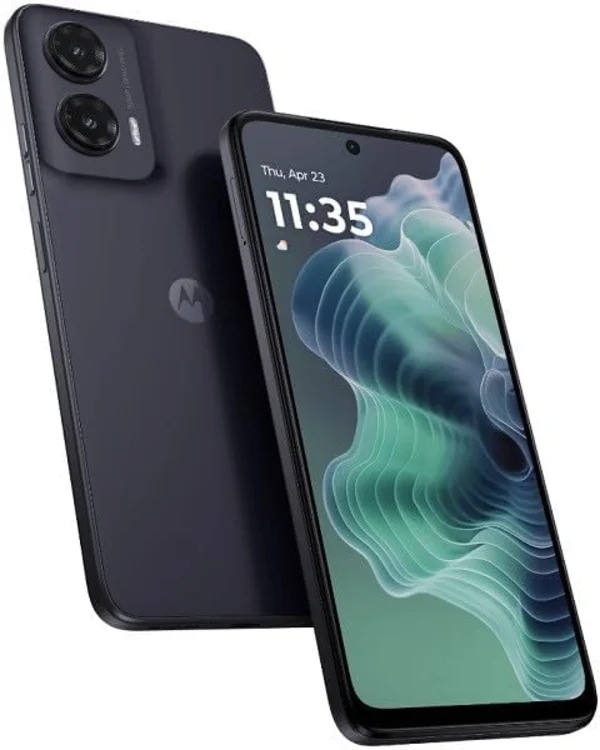
The Moto G35 has no business being this good for under a hundred quid. A 6.72-inch 1080p 120Hz display on a phone that costs less than a tank of petrol. Let that sink in for a second.
Where the Samsung A16 wins on long-term software support, the G35 wins on the specs sheet right now. The 120Hz display is visibly smoother. The UNISOC T760 processor handles day-to-day tasks without complaint. And Motorola's gesture controls — twist to open the camera, chop to toggle the torch — are the kind of small touches that make a cheap phone feel thoughtful.
The 50MP camera is fine. Not stabilised-Samsung fine, but "posted it on Instagram and nobody asked what phone you used" fine. The 5,000mAh battery does a full day. 128GB storage with microSD expansion covers most people's needs.
The compromise is in the parts you can't see on a spec sheet. The plastic creaks slightly when you squeeze it. The haptic motor feels cheap. App loading is a beat slower than phones costing £50 more. None of this ruins the experience, but you notice it if you've used anything more expensive recently.
Pros:
- 120Hz FHD+ display at under £100
- 5G connectivity
- Motorola's gesture controls
- Clean Android with no bloatware
Cons:
- Build quality feels the price
- Only 4GB RAM — multitasking has limits
- One OS update promised
- Slow charging
Best for: First-time smartphone buyers, teenagers, or anyone who wants 5G and a good screen for as little as possible.
Where to buy: Amazon (£109.99)*
When is the best time to buy a budget smartphone in the UK?
Budget phones don't see the dramatic discounts that flagships do, but there are still windows worth waiting for:
- Amazon Prime Day (July): Samsung and Xiaomi typically drop 15-25%. The A16 has been spotted at £79 during past sales.
- Black Friday (November): The best time to buy any phone. Budget models that sit at £100-150 can drop to £70-100. If you can wait until November, wait.
- New model launches: When Motorola or Samsung launch a successor, the outgoing model drops. The Galaxy A16 falling behind the A17 is exactly that pattern. Watch for new model announcements — the old model gets cheaper immediately.
- Carrier deals: Sometimes buying on a cheap SIM-only plan through a carrier works out cheaper than SIM-free. Check the total cost over 24 months before committing.
That said, budget phones depreciate slowly. A £150 phone today will still be worth about £150 in three months. If you need a phone, buy one.
Frequently asked questions
Is it worth spending £160 on a phone when you can spend £110?
Depends what you care about. The jump from £110 to £150-160 gets you a noticeably better camera, more RAM for smoother multitasking, and better build quality. The jump from £150 to £200 is less dramatic — you're paying for incremental improvements. For most people, the £150 sweet spot (Redmi Note 15, Galaxy A17) offers the best value.
Can budget phones take good photos?
In good light, yes. The Galaxy A17 in particular takes photos that would pass for a mid-range phone, and its optical stabilisation helps in dimmer rooms too. Low light is where budget phones fall behind — you'll get more noise and less detail than a Pixel or iPhone. But for social media, WhatsApp, and everyday snaps, any phone on this list is more than adequate.
How long will a budget phone last?
Hardware-wise, three to four years easily. The battery will degrade to about 80% capacity after two years of heavy use. The real limiting factor is software — Samsung's six-year update promise means the A16 stays secure longest. Motorola's one-OS-upgrade policy is the weakest here. If you plan to keep a phone for four-plus years, buy the Samsung.
Should I buy a refurbished flagship instead?
It's tempting. A refurbished Pixel 7 or Galaxy S22 might cost the same as a new Galaxy A17. The trade-off: you get a better camera and faster processor, but a battery that's already degraded, no manufacturer warranty, and a phone that's closer to the end of its software support window. For most people, a new budget phone is the safer bet. But if camera quality is your top priority, a refurbished Pixel is hard to argue against.
Our verdict
The Samsung Galaxy A17 5G at £159 is the one to buy. A 50MP camera with optical image stabilisation is genuinely unusual under £200, and OIS does more for your everyday photos than any megapixel count. Add Samsung's long software support and it is the phone here that will still be worth using in three years.
If you want to spend less, the Samsung Galaxy A16 5G at £125 gives you the same processor and much of the same support commitment for £34 less. It has risen from £99 since this guide was written, but it remains the sensible budget Samsung.
The Redmi Note 15 at £149 slots in for heavy users who drain their battery by lunchtime. That 6,000mAh cell is no gimmick — it goes two days between charges, and nothing else in this guide can match that.
On the tightest budget, the Moto G35 5G at £109.99 offers a smooth 120Hz screen and clean Android. Note that the Moto G56 we previously recommended has climbed to £206.50, which takes it out of this guide entirely.